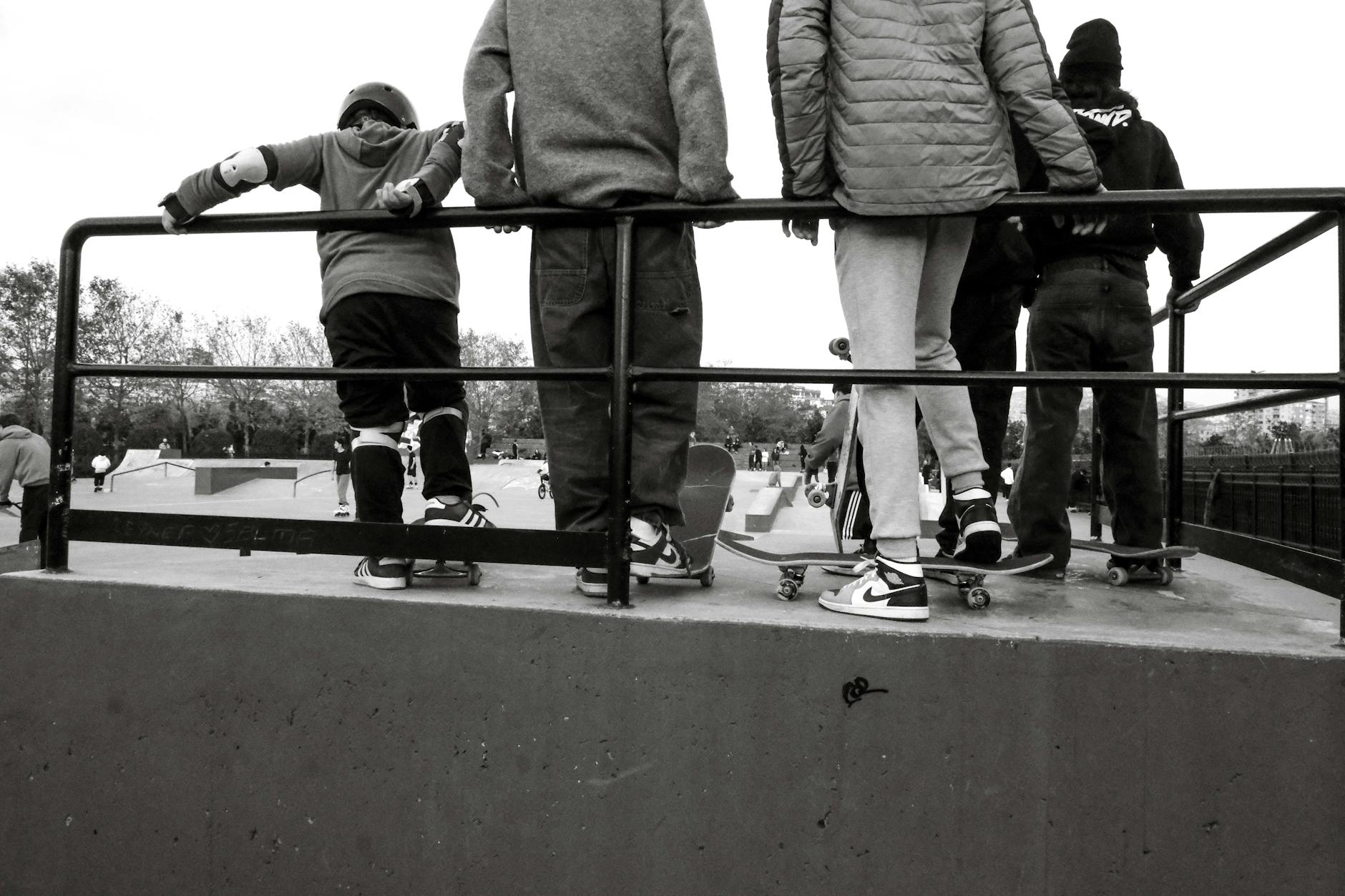
Skateboard Safety Gear Every Beginner Needs
Starting skateboarding is exciting, but it can also be a bit rough on the body when you are learning the basics. Falls are part of the process. Even at low speed, a simple mistake on a push, turn or drop from a kerb can leave you with a sore wrist, bruised knees or worse if you are not wearing the right protection. For any skateboarding beginner in the UK, safety gear is not an extra. It is part of getting started properly.
There is still a stubborn idea that proper protective gear somehow takes the fun out of skating. In reality, the opposite is usually true. When you feel protected, you are more willing to practise, more likely to try new things, and less likely to lose weeks to an avoidable injury. Good gear also helps parents feel more comfortable if a child or teenager is taking up skateboarding, and it gives adult beginners a sensible way to build confidence without pretending they are made of rubber.
This guide covers the safety gear every beginner should think about, with a clear UK focus. That means practical advice for British weather, rougher pavements, local skateparks, and the sort of gear you can actually buy from UK skate shops and sports retailers. If you are new to skating, this is what you need to know before you roll away.
Why safety gear matters when you are learning
Most beginner injuries do not happen during advanced tricks. They happen during the simple stuff: stepping on the board awkwardly, catching a wheel in a crack, turning too sharply, or slipping out on damp ground. The early stages of skateboarding are all about balance and timing, and both take practice.
In the UK, beginners often learn in less-than-perfect conditions. A smooth indoor skatepark is one thing, but many people start on rough tarmac, old tennis courts, school playgrounds or pavements with uneven slabs. Add rain, wet leaves, gravel and cold hands in winter, and falls become more likely.
Safety gear cannot stop every injury, but it can reduce the impact and help with the most common beginner knocks. It protects the parts of the body that usually hit the ground first and hardest:
- Head
- Wrists and hands
- Knees
- Elbows
- Feet and ankles
For beginners, the basic rule is simple: protect what you are most likely to land on.
The most important piece of gear: a proper skateboard helmet
Why a helmet should come first
If you buy only one bit of skate safety gear on day one, make it a helmet. Head injuries can happen in a split second, and they do not require speed or big ramps. A backward fall while standing still on a skateboard can be enough to cause a concussion. That is why a helmet should be non-negotiable for children, strongly recommended for teenagers, and frankly sensible for adults too.
A beginner often falls in unpredictable ways. You might slip backwards while learning to push, lose your footing on a small bank, or catch the nose of the board on rough ground. In all those situations, your head can hit first or hit after another part of your body gives way.
What to look for in the UK
Choose a helmet made for skateboarding, not a thin fashion helmet or a bike helmet that sits badly for skating. Skate helmets are designed to cover more of the back of the head, which matters because beginners often fall backwards.
When shopping in the UK, look for recognised safety certifications. Retailers often list standards in the product description. The most common thing to do is buy from a reputable skate shop or established sports retailer and check that the helmet is sold specifically for skate use.
Helmet fit matters as much as the helmet itself
A cheap helmet that fits properly is better than an expensive one that wobbles. Your helmet should:
- Sit level on your head, not tilted back
- Cover your forehead rather than exposing it
- Feel snug all the way around without painful pressure points
- Stay in place when you shake your head
- Have straps adjusted so it does not lift or shift easily
Many helmets come with removable foam pads to fine-tune the fit. This is especially useful for children and teenagers, or for adults in between sizes.
When to replace a helmet
If you take a significant knock to the head or the helmet itself hits hard, inspect it carefully. Cracks, dents, crushed foam or damaged straps mean it should be replaced. Even if damage is not obvious, a heavy impact can reduce how well it protects you next time. Also replace helmets that have become too loose, misshapen or badly worn.
Wrist guards: often overlooked, hugely useful
Ask beginners what hurts most after a fall and many will say their hands or wrists. That makes sense. The natural reaction when you fall is to put your hands out. Unfortunately, that can lead to sprains, strains and fractures, especially when you fall forwards.
Wrist guards are one of the smartest purchases for a skateboarding beginner in the UK. They are particularly helpful when learning:
- Pushing and stopping
- Kickturns
- Dropping in on very small ramps
- Ollie basics
- Any skill that involves shifting weight quickly
A good wrist guard supports the wrist and spreads the force of impact more effectively than your hands can on their own. They usually include a rigid splint on the palm side, and sometimes on both sides, with straps to keep everything secure.
What to look for
Choose wrist guards that are snug but not restrictive. You need support, but you also need to grip your board and move naturally. Look for:
- Firm splints
- Secure fastening straps
- Breathable material
- A shape that works with your hand size
In warmer weather they can get sweaty, and in colder UK months they can feel bulky under sleeves, so comfort does matter. If a beginner hates wearing them, they are less likely to keep them on.
Knee pads: brilliant for beginners and not just for ramps
Knee pads are often associated with vert skating and bigger transition parks, but they are just as useful for beginners on flat ground. Learning to fall well is a real skill, and knee pads help. Instead of taking skin off your knees on rough tarmac or concrete, you can absorb some of the impact and get up again.
For younger skaters especially, knee pads make practice less intimidating. For adults, they can make the difference between carrying on after a fall and heading home early with swollen knees.
Hard-cap or soft?
For skateboarding, hard-cap knee pads are usually the better option. The hard outer shell helps you slide rather than stick when you hit the ground. That can reduce twisting and make falls less severe. Soft pads may feel more comfortable for casual rolling about, but they generally offer less protection on concrete.
Good fit makes a big difference
Knee pads should stay in place while you move. If they slide down every few minutes, they will not protect you when you need them. A proper fit should feel secure above and below the knee without cutting off circulation.
Some pads are sleeve-style and some use butterfly straps that open fully. Butterfly styles are convenient because you can put them on without taking your shoes off, handy at the skatepark or when layering up in winter.
Elbow pads: worth it for confidence and comfort
Elbows often get forgotten until the first sharp slam onto concrete. While elbow injuries may be less common than wrist or knee knocks for some beginners, they are still very much worth protecting. Elbow pads are especially useful if you are learning on ramps, banks or mini ramps where sideways falls are common.
They also help with confidence. A beginner who feels protected is usually less stiff and less hesitant. That matters because tense, awkward movement can lead to more falls, not fewer.
When elbow pads are especially helpful
- First visits to skateparks
- Learning to ride ramps and transitions
- Practising kickturns on banks
- Trying ollies or shuvits while still building balance
- Skating on rough surfaces where falls scrape badly
As with knee pads, a hard outer cap gives better protection for skateboarding than very soft padding alone. The fit should be snug enough to stay put but comfortable enough that you will actually wear them for a full session.
Skate shoes are safety gear too
Many beginners focus on pads and forget their feet. Proper skate shoes are not armour, but they are still part of your safety setup. The wrong footwear can make balancing harder, reduce board feel and increase your chance of slipping.
For skateboarding, avoid bulky running shoes with thick curved soles. They are designed for very different movement and often feel unstable on a board. Thin canvas fashion trainers can also wear out quickly and provide little support.
What makes a good beginner skate shoe
- Flat, grippy sole
- Good board feel
- Enough cushioning for repeated impact
- Secure fit around the heel and midfoot
- Durable upper, often suede or reinforced canvas
In the UK, where pavements can be damp and surfaces are not always clean, grip matters even more. A decent pair of skate shoes helps you stay planted while pushing, turning and repositioning your feet. They also protect your toes and sides of the feet from constant contact with grip tape.
What about ankle support?
High-top skate shoes can provide a bit more support and protection around the ankle, which some beginners like. Low-tops are usually lighter and more flexible. There is no single right answer, but whichever you choose should feel stable and secure rather than loose and floppy.
Useful extras beginners should consider
The core setup for most beginners is a helmet, wrist guards, knee pads, elbow pads and proper skate shoes. Beyond that, a few extra items can make skating safer and more comfortable.
Mouthguard
Not essential for every beginner, but worth considering if you are learning at ramps, skating BMX-heavy parks, or simply want more protection. Some younger skaters already have one from rugby or hockey and may choose to use it.
Impact shorts
These padded shorts help protect hips, tailbone and upper thighs. They are more common in snow sports, but some skateboarders, especially adult beginners, like them for transition skating or after a bruising first few sessions.
Weather-appropriate layers
In the UK, cold weather can leave muscles stiff and reactions slow. A light hoodie, base layer or flexible jacket can help you stay warm without restricting movement. Avoid anything too baggy that catches on pads or limits your view.
Bright clothing for darker evenings
If you are skating after school or work, especially in autumn and winter, visibility matters. You may be near paths, roads or shared spaces. Bright clothing or reflective details are a practical choice.
How to choose the right size and fit
Protective gear only works properly if it fits. Too loose, and it shifts on impact. Too tight, and it becomes uncomfortable enough to stop you wearing it.
When buying in the UK, check each brand’s size guide rather than assuming small, medium and large are standard. Measure carefully using a soft tape measure if possible.
Basic fit tips
- Measure your head for a helmet before buying
- Check wrist guard sizing against hand or wrist measurements
- Measure around the knee and elbow as instructed by the brand
- Try gear on with the clothing you are likely to skate in
- Move around in it before deciding it fits
Children’s gear should not be bought “to grow into” if that means it is loose now. Proper fit today matters more than saving money in six months’ time.
Buying on a budget without buying rubbish
Not every beginner wants to spend a fortune, and that is understandable. The good news is that decent entry-level protective gear is widely available in the UK. You do not need pro-level kit for your first sessions, but you should avoid the very cheapest options if they look flimsy, badly stitched or poorly fitted.
If your budget is limited, prioritise in this order:
- Helmet
- Wrist guards
- Knee pads
- Elbow pads
- Skate shoes
A pad set can be a good-value option for beginners, especially for children. Many UK retailers sell helmet-and-pad bundles, though it is still worth checking the quality and fit of each item rather than buying on price alone.
Local skate shops are often more helpful than general online marketplaces because staff usually understand how skate gear should fit. They can also suggest beginner-friendly options based on where and how you plan to skate.
Looking after your gear
Safety equipment does not need much fuss, but a little care helps it last longer and work properly.
- Let pads and wrist guards dry out after damp or sweaty sessions
- Wipe helmets clean and check for cracks or dents
- Replace worn straps or buckles if possible
- Keep gear out of direct heat, which can damage some materials
- Do not leave soggy kit at the bottom of a school bag or car boot for days
In UK weather, gear often ends up damp. Drying it properly helps prevent smells, mould and material breakdown. It also makes the next session much more pleasant.
Safe skating habits matter as much as the gear
Protective equipment is only one part of staying safe. Beginners should also build habits that reduce the chance of hard falls in the first place.
Choose the right place to learn
Start somewhere smooth, flat and quiet. A decent bit of tarmac, an empty basketball court, or a beginner-friendly skatepark area is far better than a busy pavement or rough car park.
Avoid wet ground
This is especially important in the UK. Wet skateboards are slippery, wet bearings can be damaged, and damp concrete or painted surfaces can send you flying. If the ground looks patchy or greasy after rain, leave it for another day.
Warm up properly
Even five minutes of moving, stretching lightly and rolling around slowly can help. Cold joints and tight muscles are not ideal when you are trying to stay balanced.
Learn how to fall
Beginners often stiffen up and reach straight down with locked arms. That can lead to wrist and shoulder injuries. With pads on, it is easier to practise safer reactions, like bending, rolling slightly, or letting knee pads take some of the hit.
Do not rush to copy advanced skaters
There is no prize for trying stair sets on week two. Build your skills step by step. The basics are not boring; they are what keep you upright later on.
A simple beginner safety checklist
If you are about to buy your first setup or head out for your first proper practice, this is a solid checklist to follow:
- Certified skate helmet that fits properly
- Wrist guards with firm support
- Hard-cap knee pads
- Elbow pads that stay in place
- Proper skate shoes with grip and support
- Dry weather and a suitable practice spot
- Board checked for loose trucks or damaged parts
- Water, layers and enough daylight
Final thoughts
For a skateboarding beginner in the UK, the right safety gear makes learning easier, safer and more enjoyable. A good helmet is the first priority, with wrist guards, knee pads and elbow pads close behind. Add proper skate shoes and a bit of common sense about weather and location, and you give yourself the best chance to improve without avoidable injuries getting in the way.
Skateboarding always involves some risk. That is part of what makes it exciting. But there is a big difference between healthy challenge and unnecessary damage. Wearing the right gear does not make you less of a skater. It makes you more likely to keep skating.
If you are just starting out, protect yourself properly, take your time with the basics, and let confidence build naturally. You will enjoy the process more, and your body will thank you for it.
https://shorturl.fm/4Dcqv
https://shorturl.fm/YFGiY
https://shorturl.fm/hrtOu
https://shorturl.fm/VdNnj
https://shorturl.fm/rjul4
https://shorturl.fm/hvwNV
https://shorturl.fm/XdbR1
https://shorturl.fm/2hjAC
https://shorturl.fm/liwMW
https://shorturl.fm/NEsvX
https://shorturl.fm/FF5XO
https://shorturl.fm/RfU8u
https://shorturl.fm/LCKZ8
Новинки музыки 2026 скачать бесплатно https://shorturl.fm/pj0rJ
Последние новинки музыки 2026 скачать бесплатно https://shorturl.fm/cCQW9
https://shorturl.fm/xDeR2
https://shorturl.fm/JwCFQ
https://shorturl.fm/kPM4v
https://shorturl.fm/sArzB
https://shorturl.fm/pIE1z
https://shorturl.fm/kZgzQ
https://shorturl.fm/4oA2X
https://shorturl.fm/J0ail
https://shorturl.fm/nkyFz
https://shorturl.fm/DQjfN
https://shorturl.fm/16UU1
https://shorturl.fm/UJRJ2
https://shorturl.fm/1eA4S