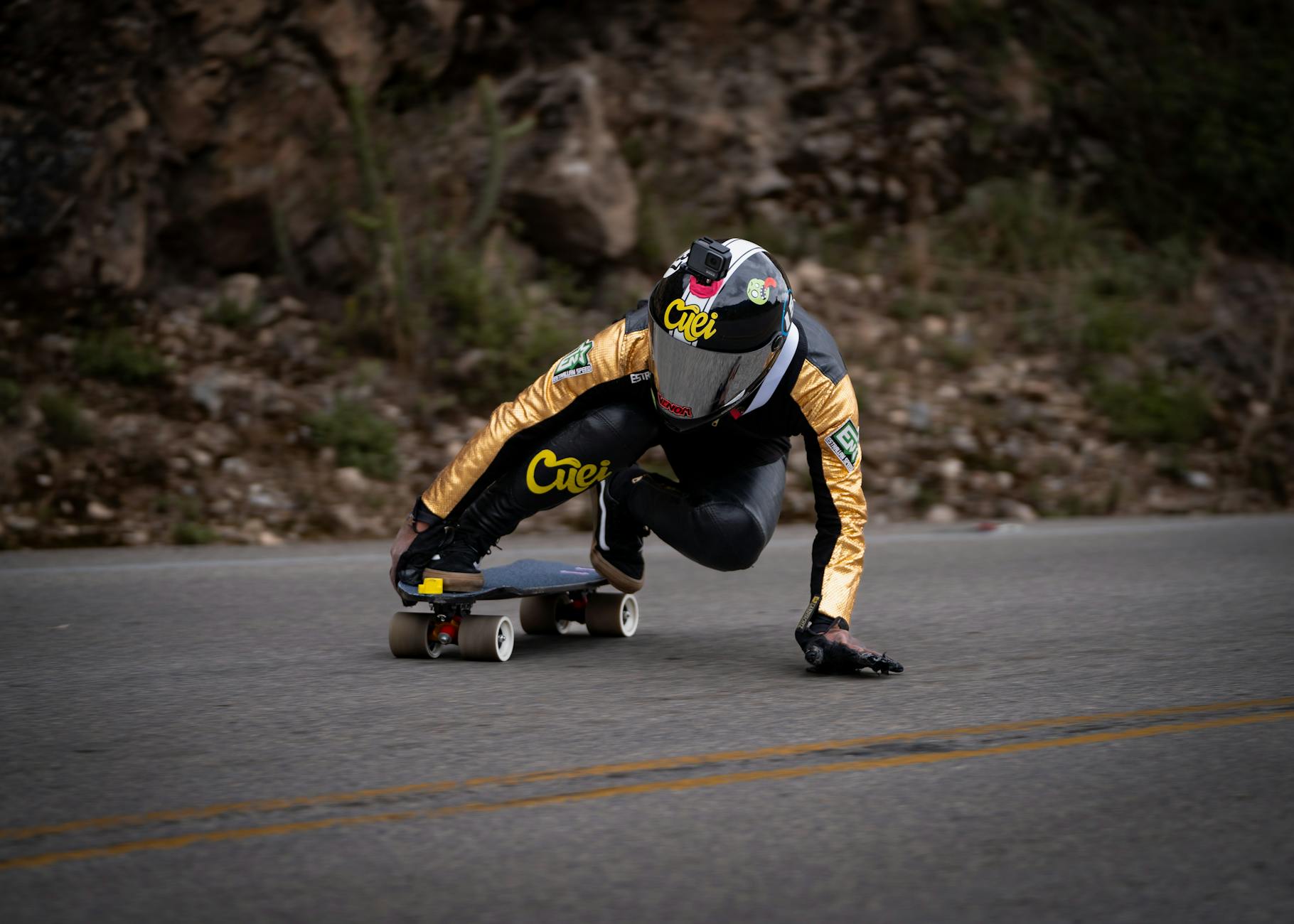
Essential Protective Gear for Beginner Skateboarders and Inline Skaters
Starting out on a skateboard or a pair of inline skates is one of the most exciting decisions you can make. Whether you have been inspired by the skate parks of Bristol, the seafront paths of Brighton, or the growing street skating scene across cities like Manchester and Leeds, the UK has never been a better place to get rolling. But before you push off for the first time, there is one conversation worth having: protective gear. Not because skating is terrifying – it really is not – but because the right kit means you spend more time learning and less time nursing scrapes on the sofa.
This guide is written specifically for beginners who might feel a little overwhelmed by the sheer volume of helmets, pads, and wrist guards staring back at them online or in shops. There is no need to panic, and there is absolutely no need to spend a fortune all at once. By the end of this article, you will know exactly what you need, why you need it, where to find it in the UK, and how to make sure it actually fits properly.
Why Protective Gear Actually Matters
There is a stubborn myth in skate culture that wearing pads is somehow uncool or only for children. That myth has done real damage over the years. The truth is that professional skateboarders – people who have been skating for decades – wear helmets and pads during training sessions and when learning new tricks. If it is good enough for them, it is certainly good enough for someone just finding their feet.
Falls happen. They happen to everyone, from complete beginners to experienced skaters. The difference is that with the right protective gear, a fall becomes a minor inconvenience rather than a trip to the nearest A&E. Wrist fractures are among the most common injuries in skating because the natural instinct when falling is to throw your hands out to catch yourself. A decent pair of wrist guards can prevent that fracture entirely. Head injuries, while less frequent, can be severe. A certified helmet absorbs the impact that your skull simply cannot.
Beyond the physical benefits, wearing protective gear gives you confidence. When you know you are protected, you are willing to try things you might otherwise avoid. That willingness to try is precisely what accelerates your learning. Protective gear is not a barrier to progression – it is the foundation of it.
The Non-Negotiables: What You Must Have
Not all protective gear carries the same priority. Some items are essential regardless of your age, skill level, or the surface you are skating on. Others are highly recommended but can be added to your kit over time. Start here.
The Helmet
A helmet is the single most important piece of protective equipment you will buy. Full stop. In the UK, there is no specific law requiring skateboarders or inline skaters to wear helmets (unlike cyclists under certain age restrictions in some countries), but that absence of a legal obligation is absolutely not a reason to skip it. Many UK skate parks – particularly indoor facilities and those run by local councils – actively encourage or require helmet use for under-18s, and some will refuse entry without one.
When buying a helmet, look for one that meets the EN 1078 certification standard. This is the European standard for helmets used in skating, skateboarding, and cycling, and it is widely recognised across the UK. You will often see it printed inside the helmet or on a sticker near the chin strap. Some helmets also carry dual certification – EN 1078 and ASTM F1492 – which covers skateboard-specific impacts. Either is fine for a beginner.
Fit is everything. A helmet that sits too high on your forehead or wobbles when you move your head is not doing its job properly. The helmet should sit level on your head, roughly two finger-widths above your eyebrows. The chin strap, when fastened, should allow only enough room to fit two fingers between the strap and your chin. If you can push the helmet back with your palm, it is too loose. Many UK sports shops and skate shops will help you fit a helmet properly if you ask – do not be shy about asking for assistance.
Reputable UK suppliers including Rollersnakes, Decathlon, and Skatehut stock a wide range of helmets at various price points. A solid beginner helmet from brands such as Triple Eight, TSG, or Protec typically costs between £30 and £70, which is genuinely good value for the protection it offers.
Wrist Guards
As mentioned earlier, wrist injuries are extremely common in skating. Wrist guards work by redistributing the force of impact across a hard splint and a larger surface area, rather than concentrating it entirely on your wrist joint and the small bones within it. For beginners, who will inevitably fall more often than experienced skaters, wrist guards are non-negotiable.
Good wrist guards have a hard plastic splint on the palm side and sometimes on the back of the wrist too, with a sturdy fabric glove or sleeve that keeps everything in place. They should fit snugly without cutting off circulation. Brands such as Rollerblade, Powerslide, and Triple Eight make excellent wrist guards that are widely available in the UK, typically priced between £15 and £35.
Knee Pads
Knee pads are essential if you are skating ramps, bowls, or any kind of transition terrain. They are also strongly recommended for complete beginners on flat ground, because the instinct when losing balance is often to drop to your knees. A good set of knee pads with a hard cap will let you slide across tarmac or concrete without tearing up your skin – or worse, damaging the joint itself.
Look for knee pads with a hard plastic or reinforced cap on the front, dense foam padding behind it, and secure Velcro or elastic straps above and below the knee. They should stay in place when you bend your knee fully – if they slide down, they are too loose or too large. Prices in the UK range from about £20 to £50 for a reliable pair.
Highly Recommended: Elbow Pads
Elbow pads follow the same basic principle as knee pads and are particularly useful for inline skaters and anyone skating on ramps or bowls. They protect one of the more vulnerable joints in your body from direct impact and abrasion. They tend to be less bulky than knee pads, so there is very little reason not to wear them. Many beginner skate pad sets sold in the UK come as a three-piece kit – knee pads, elbow pads, and wrist guards – which is often the most cost-effective way to kit yourself out from the start. Sets from brands like TSG or Impala can be found between £40 and £80 across UK retailers.
Optional but Useful: Additional Protective Equipment
Once you have your helmet, wrist guards, and knee pads sorted, you might want to consider a few additional items depending on where and how you are skating.
- Padded shorts: Ideal for beginners learning to skate ramps or those who are particularly worried about hip and tailbone injuries. They look like regular shorts but have foam padding built into the hips and backside. Brands like Rector and Triple Eight make popular options available through UK skate shops.
- Skate shoes: Not protective gear in the traditional sense, but a pair of flat-soled, grippy skate shoes makes an enormous difference to your stability and board feel. Brands such as Vans, DC, and Emerica are available across the UK from skate shops and general sports retailers.
- Ankle braces: Particularly relevant for inline skaters, who can roll their ankles on uneven surfaces. A lightweight ankle support worn inside or over the skate boot adds a layer of protection without significantly affecting your movement.
- Mouth guard: Rarely discussed, but worth considering if you are skating any terrain where a heavy forward fall is possible. A basic sports mouth guard from a UK pharmacy or sports shop costs only a few pounds.
How to Choose Gear That Fits Correctly: A Step-by-Step Guide
Buying protective gear online is convenient, but fit is critical. Follow these steps whether you are shopping in a physical store or online.
- Measure before you buy. Use a soft tape measure to measure your head circumference (around the widest part, about 2.5 cm above the eyebrows), your knee circumference (around the centre of the kneecap), and your wrist circumference. These measurements will correspond to sizing charts provided by most reputable brands.
- Check the certification label. For helmets, confirm EN 1078 or dual certification. For pads, look for products that clearly state CE certification or meet recognised safety standards.
- Try before you commit where possible. Shops like Decathlon, which has locations across England, Scotland, and Wales, have generous return policies and staff who can help with fit. Independent skate shops in cities like London (Route One, Slam City Skates), Birmingham, and Edinburgh are equally valuable and often have knowledgeable staff who skate themselves.
- Move around in it. Bend your knees, squat down, swing your arms. Protective gear should not restrict natural movement. If it does, it is either the wrong size or the wrong design for your skating style.
- Check the straps and fastenings. Velcro should grip firmly. Buckles should click securely without pinching. Chin straps should not dig into your jaw.
- Replace damaged gear immediately. A helmet that has sustained a hard impact – even if it looks fine on the outside – should be replaced. The internal foam is designed to compress and absorb impact only once. The same logic applies to cracked or deeply scored pads.
Understanding the Cost: What to Expect in the UK
One of the first questions beginners ask is how much all of this is going to cost. The honest answer is: it does not have to break the bank, but it is worth investing sensibly. Buying the cheapest possible gear can mean buying twice, and some very cheap helmets sold online do not carry genuine safety certifications despite claiming to. Stick to recognised brands and reputable retailers.
The table below gives a realistic overview of what you can expect to spend on beginner-level protective gear in the UK in 2024.
| Item | Budget Option (£) | Mid-Range Option (£) | Recommended Brand(s) |
|---|---|---|---|
| Helmet | £25-£35 | £45-£70 | Triple Eight, TSG, Protec |
| Wrist Guards | £12-£18 | £25-£35 | Triple Eight, Rollerblade, Powerslide |
| Knee Pads | £15-£22 | £30-£50 | TSG, Triple Eight, Impala |
| Elbow Pads | £10-£18 | £20-£35 | TSG, Impala, Rector |
| 3-Piece Pad Set (knees, elbows, wrists) | £25-£40 | £50-£80 |