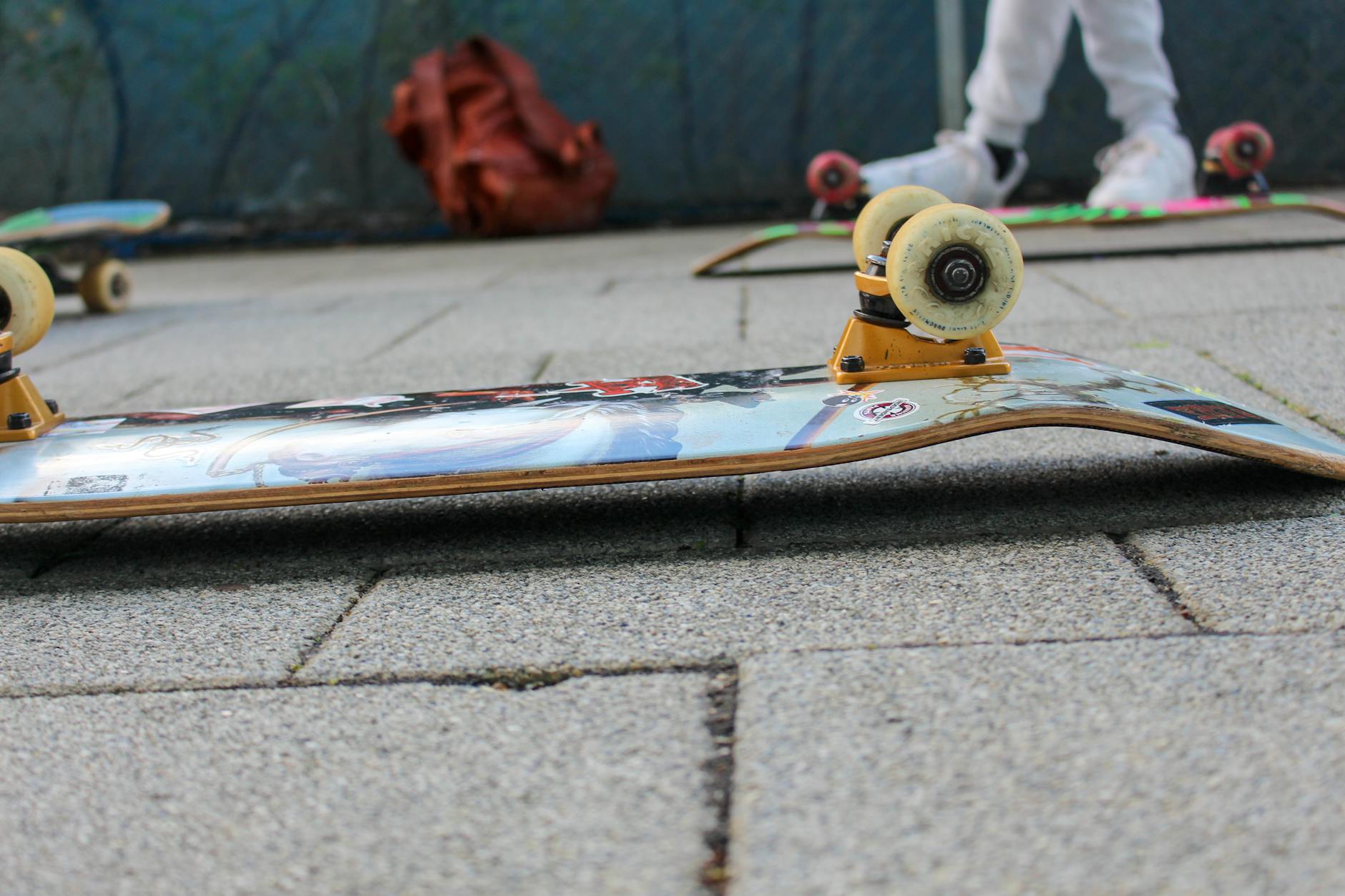
Skateboarding on a Budget in the UK
Getting into skateboarding doesn’t have to cost a fortune. That’s one of the great things about it – you can start small, learn the basics, and build up your kit gradually without remortgaging your house. Whether you’ve spotted someone doing kickflips in your local park, watched a few videos online, or simply fancy something new to do outdoors, this guide will walk you through everything you need to know about getting started with skating in the UK without spending more than you need to.
There’s a lot of noise online about the “best” gear, and plenty of it is aimed at people with serious cash to splash. This guide is different. We’ll cover what actually matters, where to find good deals in the UK specifically, and how to make smart choices from day one.
Why Skateboarding Is Worth the Investment (Even a Small One)
Before we get into the pennies and pounds, it’s worth understanding why skateboarding is genuinely one of the better hobbies you can pick up. Unlike gym memberships that gather dust, a decent skateboard can last years if you look after it. It’s exercise without feeling like exercise. It’s creative, social, and deeply rewarding once things start clicking into place.
In recent years, the UK skate scene has grown enormously. Cities like Bristol, Manchester, London, and Sheffield have thriving communities. Even smaller towns often have Facebook groups, local clubs, or at least a few skaters who meet up on weekends. The community aspect is real, and it’s one of the best resources a beginner has access to – completely free of charge.
Inline skating (or rollerblading, if you want to use the old-school term) has also made a significant comeback, particularly in urban areas. Whether you’re drawn to street skating, park skating, or just cruising along a seafront promenade, there’s a version of skating that suits almost everyone.
Setting a Realistic Budget
Let’s be honest about numbers. You can technically buy a complete skateboard from Sports Direct or a supermarket for around £30-£40, but you’ll likely regret it within a fortnight. These boards are often made from poor quality wood with cheap trucks and wheels that make learning significantly harder. They also tend to break quickly, meaning you end up spending more in the long run.
A sensible starter budget for skateboarding looks something like this:
- Budget tier (£60-£90): A genuine complete board from a reputable skate brand. Decent enough to learn on, won’t embarrass you at the skatepark.
- Mid-range tier (£100-£160): Either a quality complete or a custom setup you’ve put together yourself. This is where most beginners should aim if they can stretch to it.
- Second-hand (£20-£60): Potentially excellent value if you know what to look for. More on this below.
For inline skating, the numbers are slightly different. Entry-level skates from brands like Roces or Powerslide’s beginner range start at around £50-£80. Avoid anything cheaper than that unless it’s second-hand from a trusted source, as sub-£50 inline skates tend to have poor ankle support and uncomfortable boot construction.
Where to Buy Gear in the UK
This is where shopping smart really makes a difference. The UK has some excellent specialist skate shops – both physical and online – and supporting them is worthwhile because the staff actually know what they’re talking about.
For skateboarding, some of the most reputable UK-based shops include Slam City Skates (London), Route One (online and several UK stores), Native Skate Store (Colchester), and Rollersnakes (online, very competitive pricing). These shops stock proper skate brands like Almost, Element, Santa Cruz, and Independent trucks – the kind of gear that will actually help you progress.
For inline skating, Inline Warehouse ships to the UK, and Skatehut is a solid UK-based option with good stock across price ranges. If you’re into aggressive inline (grinding rails and skating skateparks on blades), USD and Razors skates are the gold standard, and both are available through UK retailers.
Second-hand is absolutely worth considering. Facebook Marketplace and eBay are the obvious choices. Gumtree occasionally throws up good deals too. When buying second-hand skateboards, check that the deck isn’t waterlogged or severely chipped at the nose and tail, that the trucks aren’t cracked, and that the wheels spin freely. For inline skates, check the boot lining isn’t destroyed and that the buckles and straps work properly. Worn wheels are fine – they’re cheap to replace.
Understanding What You’re Actually Buying
One of the most confusing things for beginners is working out what a skateboard actually consists of. Here’s a quick breakdown so you don’t get lost in the jargon:
- Deck: The wooden board itself. Standard street decks are usually 7.5-8.5 inches wide. Wider boards are more stable; narrower boards are easier to flip.
- Trucks: The metal axles that attach to the deck and hold the wheels. Independent and Venture are two of the most respected brands.
- Wheels: Come in different sizes (measured in millimetres) and hardness (measured on an “A” scale). Harder wheels (99A-101A) are better for smooth surfaces and tricks. Softer wheels (78A-87A) absorb bumps and are better for cruising on rougher UK streets.
- Bearings: The small metal rings inside the wheels that allow them to spin. ABEC 7 or ABEC 9 rated bearings are perfectly fine for beginners.
- Grip tape: The sandpaper-like material on top of the deck. Keeps your feet in place.
If you buy a “complete” board, all of this comes pre-assembled. If you build a “custom” setup, you choose each component separately. For beginners, a complete is usually the smarter and cheaper option.
A Comparison of Beginner-Friendly Complete Skateboards
To help you make sense of the options available in the UK, here’s a comparison of some popular choices at different price points:
| Board / Brand | Approximate UK Price | Build Quality | Best For | Where to Buy |
|---|---|---|---|---|
| Osprey Complete (Generic) | £35-£50 | Low – passable for very light use | Absolute beginners testing the water, not recommended long-term | Sports Direct, Amazon |
| Almost Complete | £70-£90 | Good – proper skate brand components | Beginners ready to commit to learning | Route One, Rollersnakes |
| Santa Cruz Complete | £80-£100 | Very good – reliable trucks and wheels | Beginners who want room to grow | Slam City, Route One |
| Element Complete | £85-£110 | Very good – durable, consistent | Beginners to intermediate skaters | Route One, Skatehut |
| Custom Setup (Mid-Range) | £120-£160 | Excellent – tailored to your preferences | Beginners who’ve done their research and want to invest properly | Any specialist skate shop |
Safety Gear: Don’t Skip This Part
Nobody wants to hear about protective gear – it’s not the exciting part of getting into skating. But a broken wrist or a bad head injury can put you off skating permanently, cost you time off work, and genuinely hurt. So let’s be straightforward about this.
At minimum, you should have a helmet. A decent skateboard helmet from brands like Triple Eight or TSG will set you back £30-£60. These are worth every penny. If you’re learning at a skatepark, many UK skateparks – particularly those run by local councils – require under-18s to wear helmets. Some, like the brilliant House of Vans in London or council-managed parks in Bristol and Birmingham, have equipment hire available if you want to try before you buy.
Wrist guards are also strongly recommended for beginners. When you fall (and you will fall), your instinct is to put your hands out. Wrist guards significantly reduce the chance of a sprain or fracture. You can pick up a decent set from Decathlon – one of the best value sporting goods retailers in the UK – for around £10-£20.
Knee and elbow pads are optional for street skating once you have a bit of experience, but they’re sensible when you’re just starting out, especially if you’re practising slides and grinds.
Finding Places to Skate in the UK
The UK has more skateparks than most people realise. The Skatepark Project and websites like Skatespot.co.uk and the British Skateboarding Association website all have searchable databases of UK skateparks – indoor and outdoor, free and paid.
Some highlights worth knowing about:
- The Undercroft, London: One of the most iconic free skate spots in the country, beneath the Southbank Centre. Open to all, completely free, and steeped in UK skate history.
- Radlands Plaza, Northampton: A legendary UK indoor skatepark, well-suited to all levels.
- Unit 23, various UK locations: A chain of indoor skateparks with beginner-friendly sessions and coaching.
- Local authority parks: Many councils have invested in outdoor skateparks over the last decade. Check your local council website or simply search “[your town] skatepark” – you might be surprised.
For inline skaters specifically, smooth tarmac is your best friend. Canal towpaths (where permitted), seafronts like Brighton or Southend-on-Sea, and pedestrianised town centres in off-peak hours
are all worth exploring. Many seafronts have long, flat promenades that are ideal for building speed and confidence without the hazards of road traffic. Always check local bylaws before skating in any public space, as restrictions vary considerably between councils and can change seasonally.
If you are just starting out and not yet ready to commit to buying your own kit, many skateparks and community centres offer equipment hire at low cost. This is a practical way to try different setups before spending money on gear that may not suit your style. Some charitable organisations, such as Skateism and various local youth projects, run free or subsidised sessions specifically aimed at getting young people and beginners onto boards without financial barriers. A quick search on social media or a visit to your nearest skatepark on a busy weekend will usually turn up information about what is available locally.
Second-hand equipment is another avenue well worth considering. Platforms such as eBay, Facebook Marketplace, and Gumtree regularly list used decks, trucks, wheels, and complete setups at a fraction of retail price. Local skate shops sometimes sell refurbished boards too, and staff there will generally give honest advice about what condition second-hand parts are in and whether they are safe to skate. Buying used not only saves money but also reduces waste, which is increasingly important to many in the skating community.
Skating in the UK on a tight budget is entirely achievable. Between free outdoor parks, community sessions, borrowed or second-hand equipment, and the countless smooth surfaces the country’s towns and cities quietly offer, there is very little standing between you and getting started. The culture around UK skating has always had a resourceful, make-do spirit to it, and that remains one of its most appealing qualities. Whether you are a complete beginner or returning to skating after years away, the barrier to entry is lower than you might think.